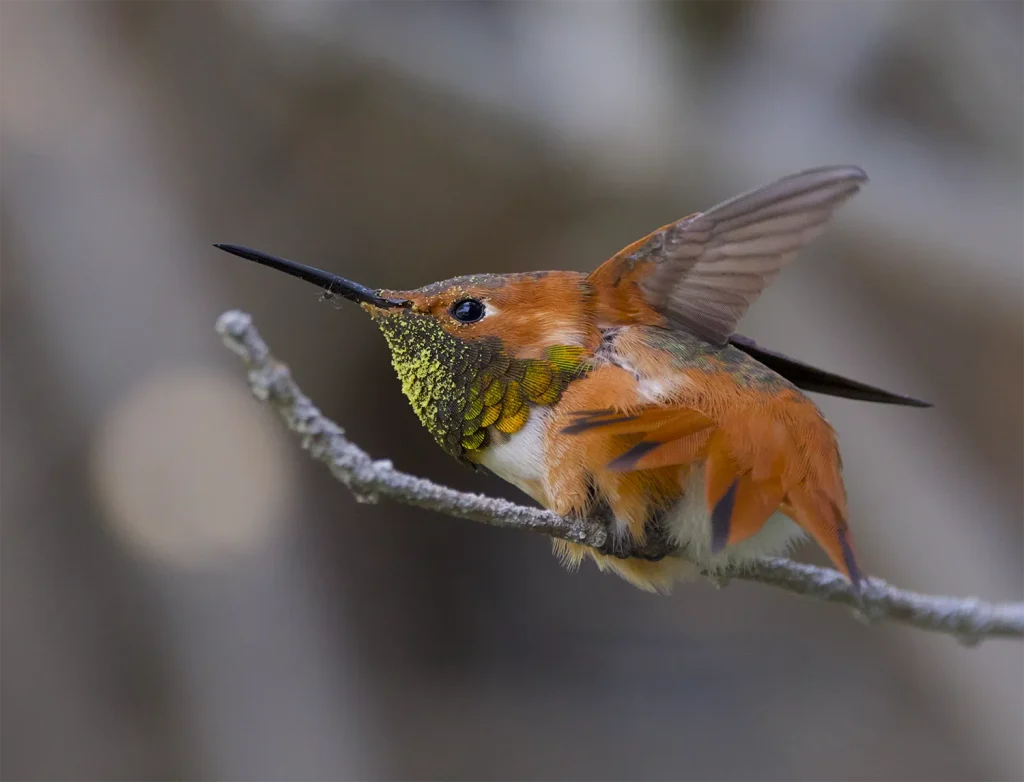
My research has brought me into conversations with some wonderful thinkers—scientists, philosophers, educators, creators—who all seem to agree that modern narratives about our relations with other animals must change. They also agree that they are already changing due to new, positive storying. This act of telling positive stories about the non-human kin we share space with—or multispecies stories—remains an essential key to revolutionizing the way humans create places, so that all creatures can once again survive, and even thrive, in a connected, healthy ecosystem.
Stories about multispecies relationships have been told in various forms since before words were written. Oral stories about these complex relationships are impossible to date, but research reveals that the Aboriginal peoples of the Australian continent have likely been telling these stories for tens of thousands of years. Studies have also found that Indigenous people of the Pacific Northwest have been telling stories about interactions between many species, also for—possibly—tens of thousands of years. (for more information, see links)
Ancient European people also had mythologies featuring multispecies relationships. However, as their belief systems changed and their way of life became industrialized, their stories became less about kinship and cast a stark separation between humans and all other living things. (see my book)
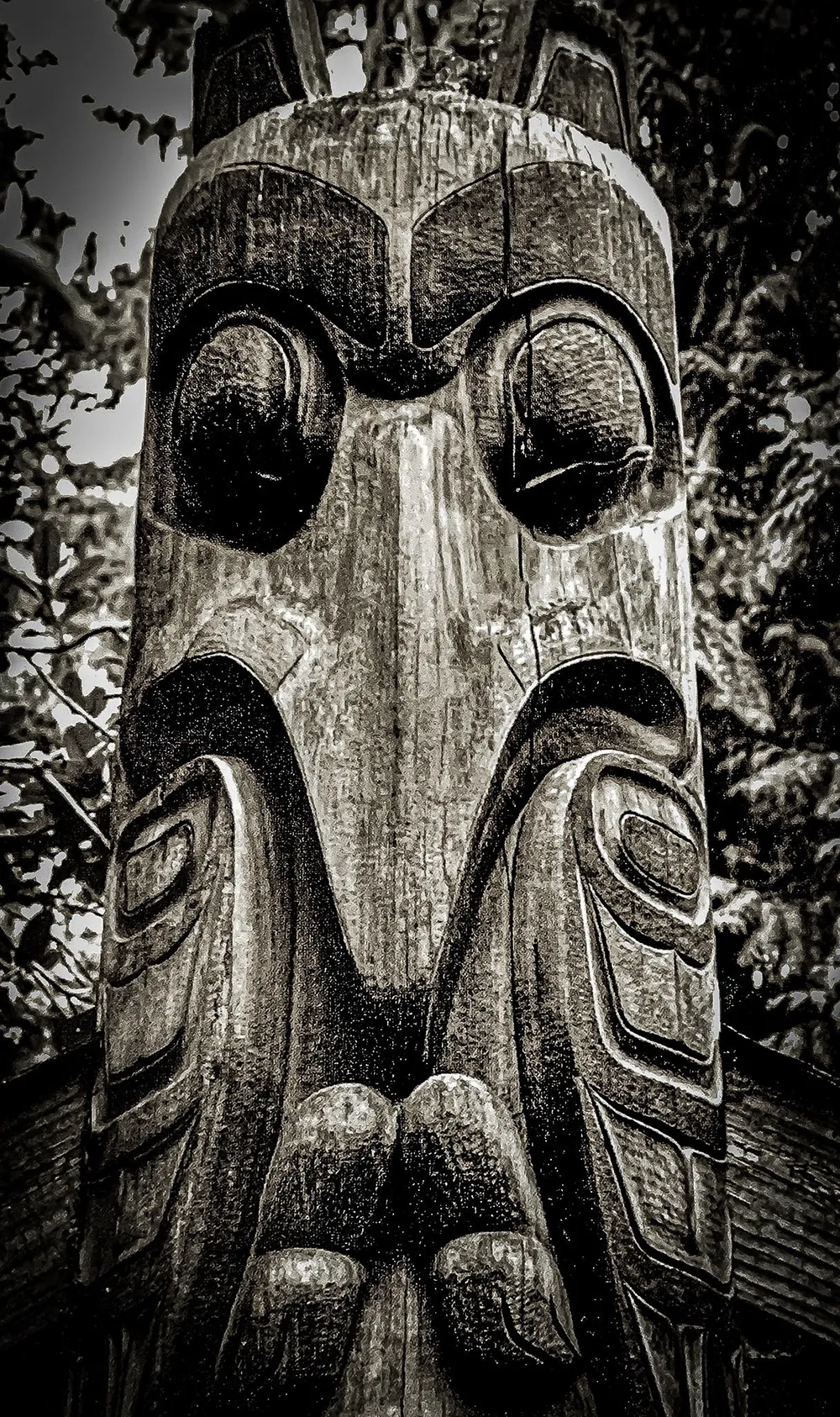 Photo by Julie Morley
The human-centric world created the narratives, thoughts, and systems that built the places humans live. Like a steam roller across an already thriving, living landscape, these narratives enclosed and reshaped the land in ways that did not consider other cultures, and creatures.
Humans today may not always be aware of how these systems and infrastructures have not only harmed other species, but themselves. New ways of living with other creatures, living on the land incorporates both the ways that were suppressed and forgotten, and the voices of those who suffer most from the way things have been built. Most humans feel better where there are other living things: trees, birds, and especially water! People may also not feel good around some creatures because they do not understand their benefit to them, and even that is now changing. People are telling new stories about these relationships on social media, and those are helping change narratives for the better.
Here are some examples:
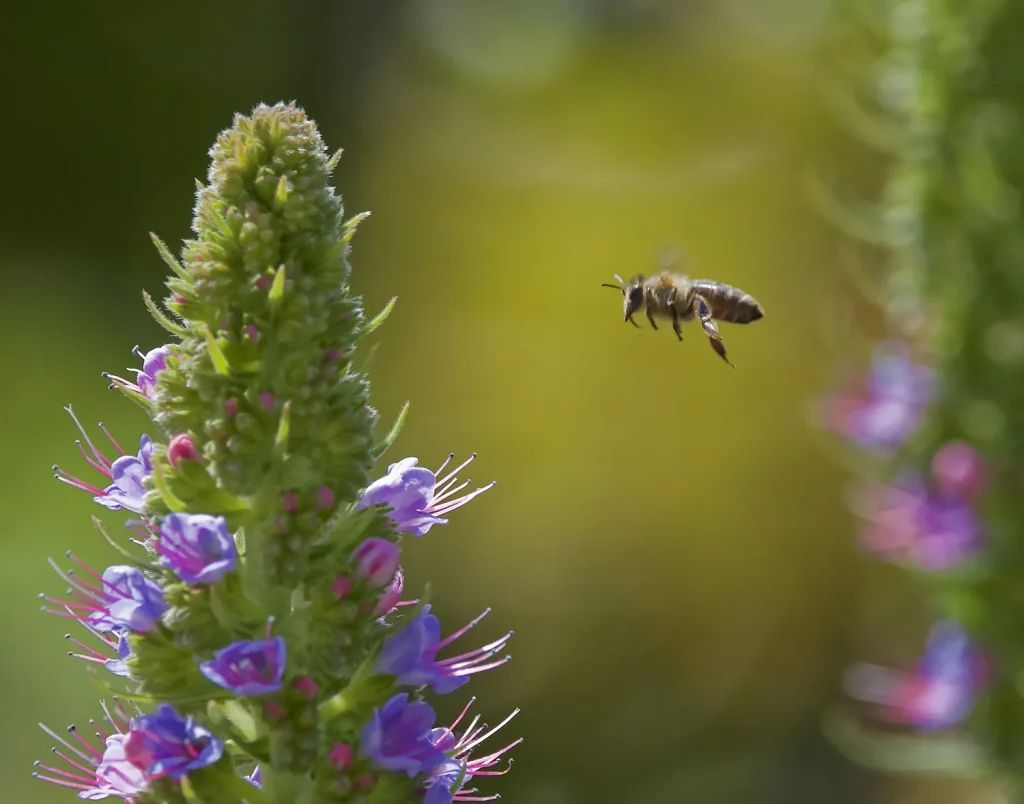
Bees: I remember when people exterminated hives! Now, many people call their local beekeepers.
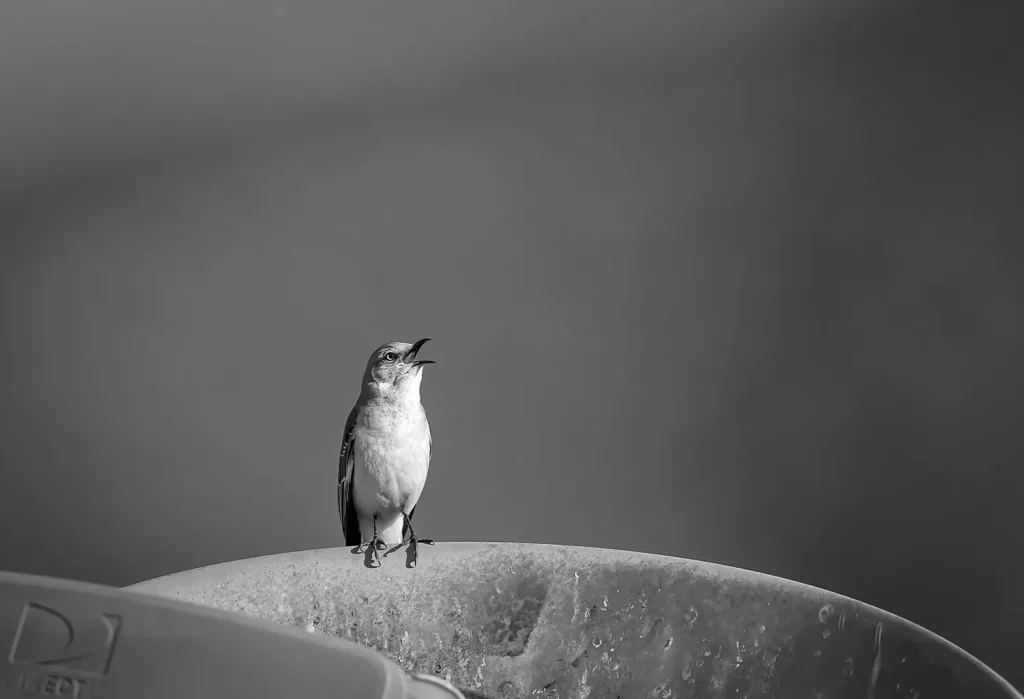
Possums: Many people still consider possums pests, but in some places, people have recognized the benefit of having tick-eating creatures around.
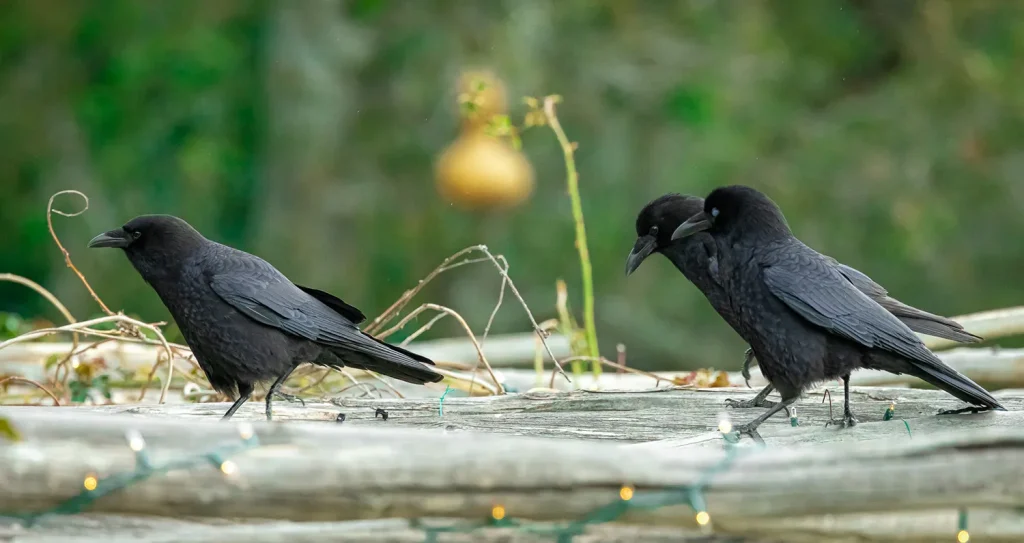
Crows: Many people are beginning to understand how intelligent these birds really are! They used to only see pests, or bad omens. Now, they see extremely smart neighbors who remember kindnesses and even bring gifts to feeders!
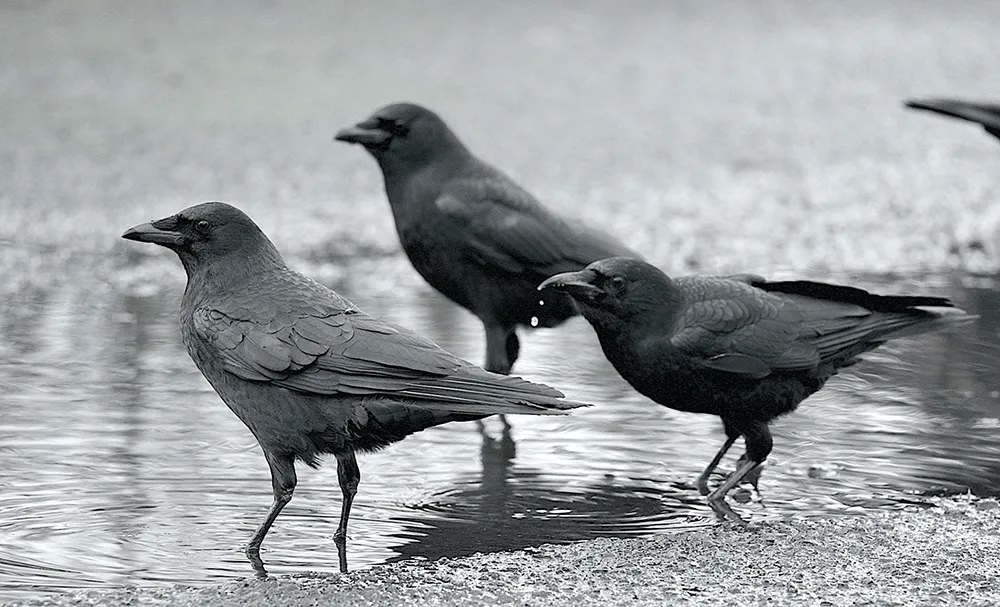 Photo by Julie Morley
There are so many new positive stories about creatures once considered pests or nuisances…and even the creatures that were considered pleasant or pretty. People are beginning to realize that their own actions, interactions—their relationship to the land—affects those lives.
So multispecies stories already have existed in human cultures for perhaps hundreds of thousands of years…but at one point many were taught a story of separation, and forgot the stories of connectedness and relatedness. These stories allow us to understand our connection to creatures and land, and how we are in constant relationships with many species, all the time, whether we are aware of this or not. The narrative affects the quality of that relationship.
Ultimately, stories of multispecies kinship creates opportunities for regenerative systems that make places better for all creatures.