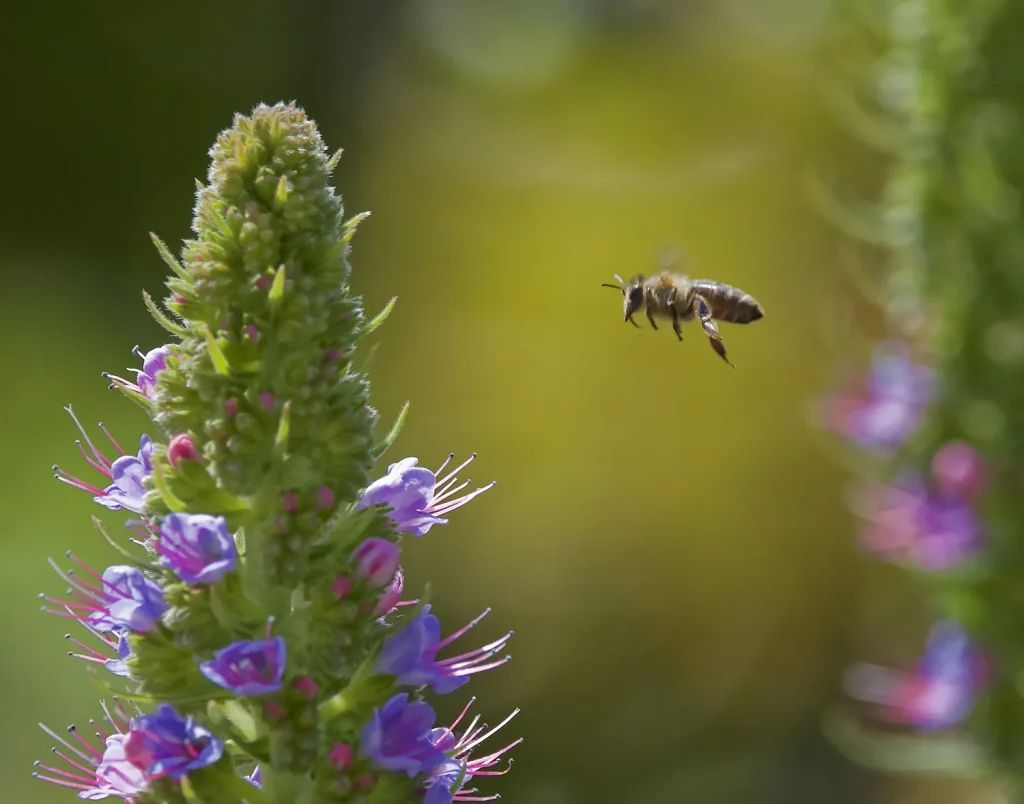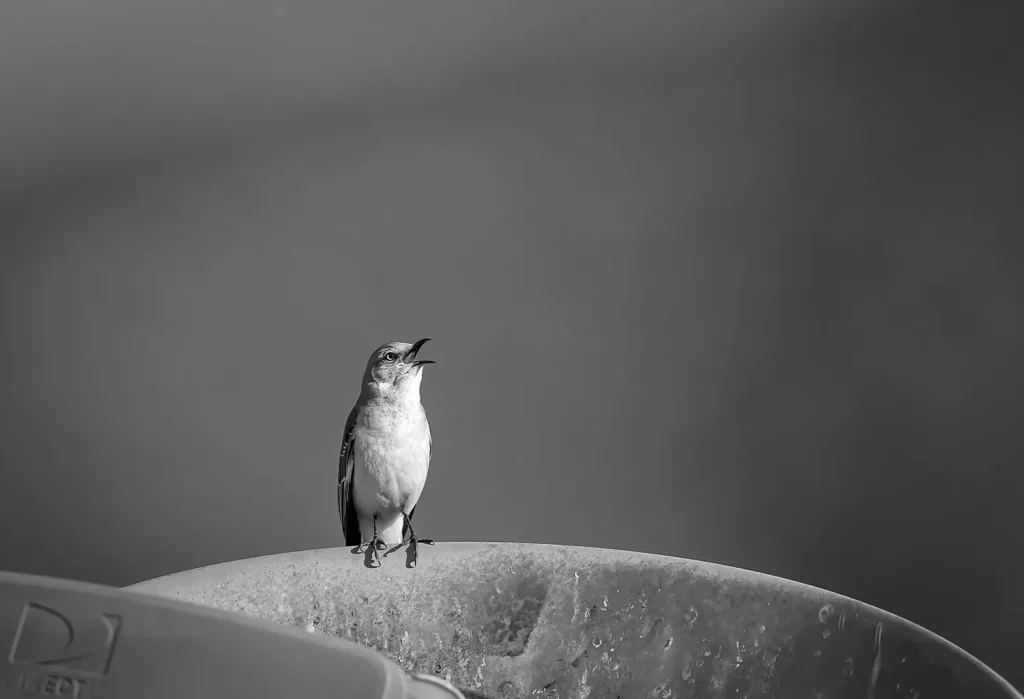
My background as an Angeleno who grew up surrounded by many other LA-dwelling species has had a profound impact on my interest in what I came to understand as the “multispecies city.” Every important story in my life features more-than-human species: the cats and dogs that we rescued (or that rescued us, really), the mysterious coyotes calling out into the nights, the pigs and chickens in our backyard, the parrots that inhabit the trees of Hollywood and the Santa Monica Mountains, as well as other areas where I have lived.
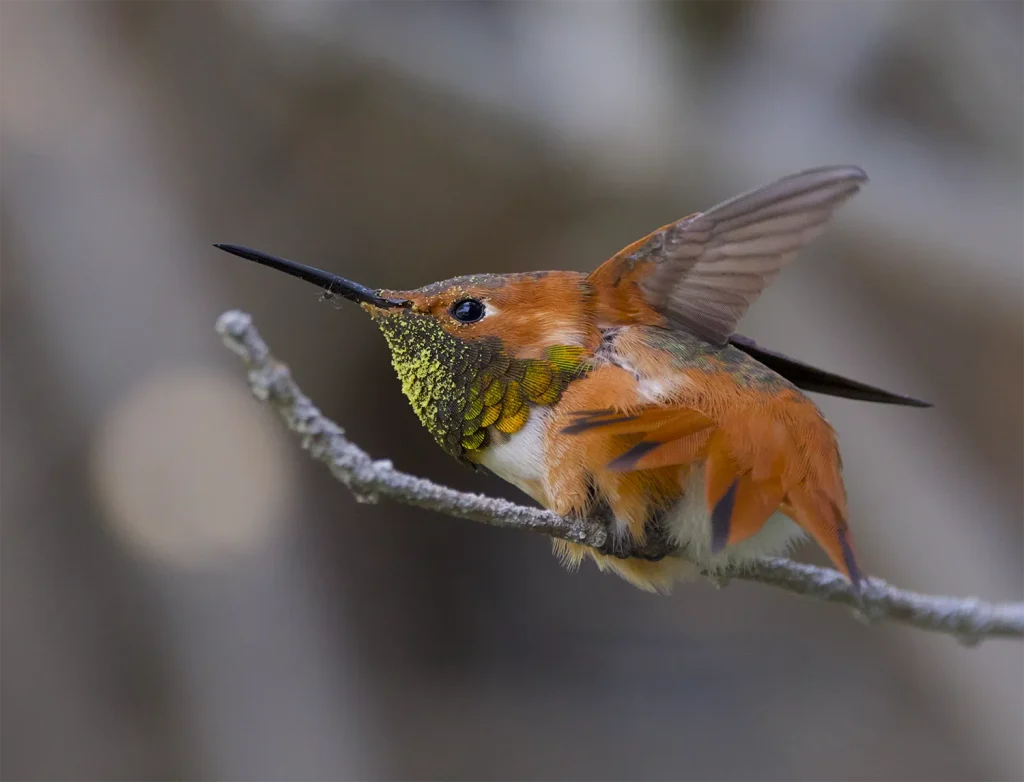
I have had the serendipity of lifelong relationships with hummingbirds, scrub jays, crows and ravens, and other birds that animate LA everyday. I have given sanctuary to possums and skunks, and I have offered safe passage to nightly visitors such as coyotes and foxes. I have been lucky to swim with dolphins, seals, and other marine life. I was fortunate to have had parents who loved other creatures and saw them not as objects, pets, pests, or nuisances. They were all part of either our family or an extended family of life. The spaces where I have lived are their spaces, too.
During my undergraduate studies at USC, I became interested in multispecies stories. I studied Classics, philosophy, and photography. I read the works of Aristotle, who wrote entire volumes observing animals, before the invention of what we know now as science. I read about panpsychism (the belief in all life as sentient) in its early forms in Eastern, Western, and Indigenous philosophies. At the same time, I began photographing the human and more-than-human in Los Angeles. This interest in multispecies stories expressed through art converged with mentorship by a Suquamish Elder, who taught me so much about his perspective on the continuum of life—the connectedness of all beings. He used songs to express the idea that all creatures are in relationship with each other and the living landscape.
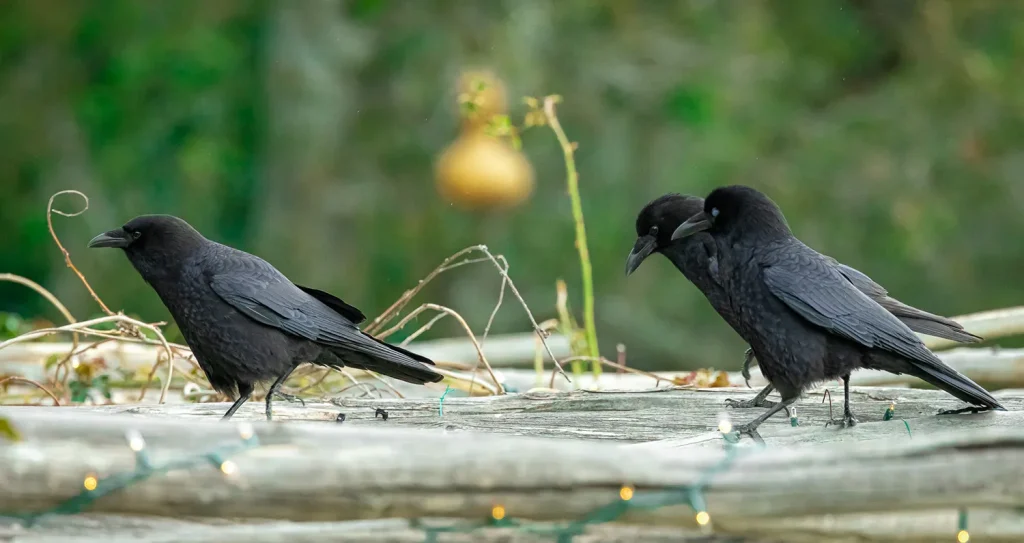
My doctoral research on multispecies studies (a concept that emerged out of the environmental humanities and the philosophy of science), focused on ethnographic research about crow-human relationship in urban spaces. Out of those observations came insights meant to be applied in the greater world. My research included inquiring about multispecies relationships in shared spaces—how they might be collaborations rather than conflict-based. I recognized that co-creativity is essential to a vibrant future that counters the negative narratives about many animals as well as dystopian narratives about the future. All of these insights coalesced when I realized that we humans have a role in making resilient cities that can withstand climate change and become happier, healthier spaces for all to enjoy.
Water is crucial to creating flourishing multispecies cities and relations. Healthy waterways, watersheds, and water bodies near developed places are essential to the health of every creature that dwells there and even those that do not. Healthy water not only sustains an ecosystem through providing nourishment, sanctuary, recreation, and beauty, but it also provides the ingredients for healthy air. Waterway restoration and reclamation of water also provides one antidote to the heat island effect created by the over-paved, insensitive development of cities, concrete wastelands, and lack of greenery and trees.
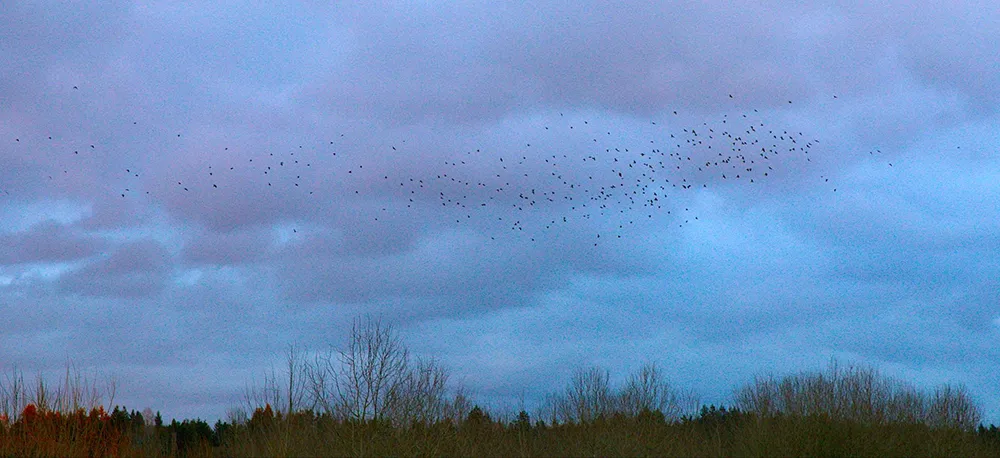 Crows streaming into UW roost area, Bothell restored wetlands, WA
Multispecies Media was created to counter dystopian, segregating, and human-centered narratives around sharing space. Essentially, my colleagues and I, based upon my research, their work, and collaborations with academics, artists, scientists, and many others, see opportunities in rethinking how we share space—how we counter negative narratives that lead to negative realities. We ask questions such as: How can we reimagine urban space as green and vibrant? How can we rethink the city as a sanctuary for other creatures as we understand our connections with them? Changing the narratives we tell transforms our way of relating to other species and the land we share.